

Sports Massage, Physiotherapy, and the Modern Plague of “Text Neck”
Feeling like a flamingo with your head bent over your phone? Sports massage and physiotherapy to the rescue—here’s how to send text neck packing!
Introduction
Neck pain is a familiar complaint for anyone living a desk-bound or device-heavy lifestyle, whether you’re a tennis player or a spreadsheet regular. It’s often pinned on “text neck” – hunching over a phone – but the evidence points elsewhere: sleep quality and activity levels seem to matter more than posture alone. So how can sports massage and physiotherapy actually help us move and feel better?[1]
What Is “Text Neck”?
“Text neck” is a modern-day ailment caused by looking down at your devices for extended periods. Basically, your neck gets cranky holding up your heavy, data-fueling head. Common symptoms include:
- Persistent neck pain or stiffness
- Aching shoulders, sometimes accompanied by spasms
- Headaches creeping up from the base of your neck
- Upper back soreness and reduced range of motion[2][3][4]
- Sometimes tingling, numbness, or radiating pain if nerves are involved
The longer that downward tilt, the heavier your head feels—up to 60 pounds of pressure on your poor cervical spine. Ever wonder why staring at emails feels so exhausting? That weight’s the culprit. (No, your inbox isn’t just heavy with useless memos.)[2]
Sports Massage: The Muscle Whisperer
Sports massage isn’t just for athletes—it’s prime therapy for anyone hunched for hours. Here’s how it can jazz up your recovery:
- Muscle Relaxation: Techniques like deep tissue and myofascial release loosen tight neck and shoulder muscles and can support circulation, helping the area feel less tense.[5][6]
- Improved Posture: By easing tension, massage may help support a more comfortable neck and shoulder alignment.[7]
- Stress Reduction: Massage is widely associated with a boost in feel-good hormones and a reduction in stress, which many people find supports their day-to-day wellbeing.[5]
- Better Range of Motion:Soothed muscles mean you can look up from your screen without wincing.

“Often, we focus massage on the back of the neck, but the front muscles are equally guilty,” notes massage expert Riley. “Trigger point therapy softens knots contributing to text neck pain”.[6]
Physiotherapy: Your Secret Weapon
Physiotherapists are like detectives for your musculoskeletal woes. Expect a treatment plan tailored to your needs:
- Assessment:Posture, range of motion, and muscle imbalances are scrutinized.
- Corrective Exercises:Think chin tucks, scapular retractions, and deep neck flexor strengthening to restore normal function.[8][9]
- Manual Therapy:Hands-on techniques (sometimes paired with handy gadgets) target stiffness, boost mobility, and minimize pain.
- Ergonomic Coaching:You’ll get advice on keeping devices at eye level and optimizing your workspace.
- Progress Tracking:Expect tweaks to your plan as you improve—after all, nobody likes plateaus!
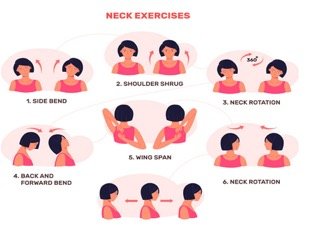
Case closed on “text neck”? Not just yet—users have to maintain their newfound posture. Good habits stick when coupled with proper exercise and regular tune-ups!
Sports Massage Tips to Tackle Text Neck
Schedule regular sports massage if you’re an athlete or work at a desk
Ask for techniques like myofascial release or trigger point therapy for stubborn knots
Don’t forget those chest and front-neck muscles
Physiotherapy Moves for Text Neck
- Practice chin tucks and neck stretches during breaks
- Strengthen deep neck flexor muscles with tailored routines
- Adjust your workspace—screen at eye level is key!
- Take “micro-breaks” (every 30-45 minutes, move around, stretch, glance at the horizon)
Bonus: Pair both approaches for speedier results. Your spine—and your concentration—will thank you.
References
References – 9 sources
- Elvan A et al. The association between mobile phone usage duration, neck muscle endurance, and neck pain among university students. Sci Rep. 2024.
- Correia IMT et al. Association Between Text Neck and Neck Pain in Adults. Spine (Phila Pa 1976). 2021.
- Correia IMT et al. Cervical flexion posture during smartphone use was not a risk factor for neck pain, but low sleep quality and insufficient levels of physical activity were. A longitudinal investigation. Braz J Phys Ther. 2025.
- Neck pain. NHS.
- Weerapong P et al. The mechanisms of massage and effects on performance, muscle recovery and injury prevention. Sports Med. 2005.
- https://www.amtamassage.org/publications/massage-therapy-journal/massage-for-tech-neck/
- Mendes Fernandes T et al. A randomized controlled trial on the effects of “Global Postural Re-education” versus neck specific exercise on pain, disability, postural control, and neuromuscular features in women with chronic non-specific neck pain. Eur J Phys Rehabil Med. 2023.
- Chaiyawijit S et al. McKenzie neck exercise versus cranio-cervical flexion exercise on strength and endurance of deep neck flexor muscles, pain, disability, and craniovertebral angle in individuals with chronic neck pain: a randomized clinical trial. J Man Manip Ther. 2024.
- https://pmc.ncbi.nlm.nih.gov/articles/PMC11856789/
Related articles and treatments
This page discusses neck strain linked to phone use, with related articles and treatment pages shown below.
Book your session
To arrange your appointment or speak with our team, please call 0161 243 1168.