
Electrotherapy
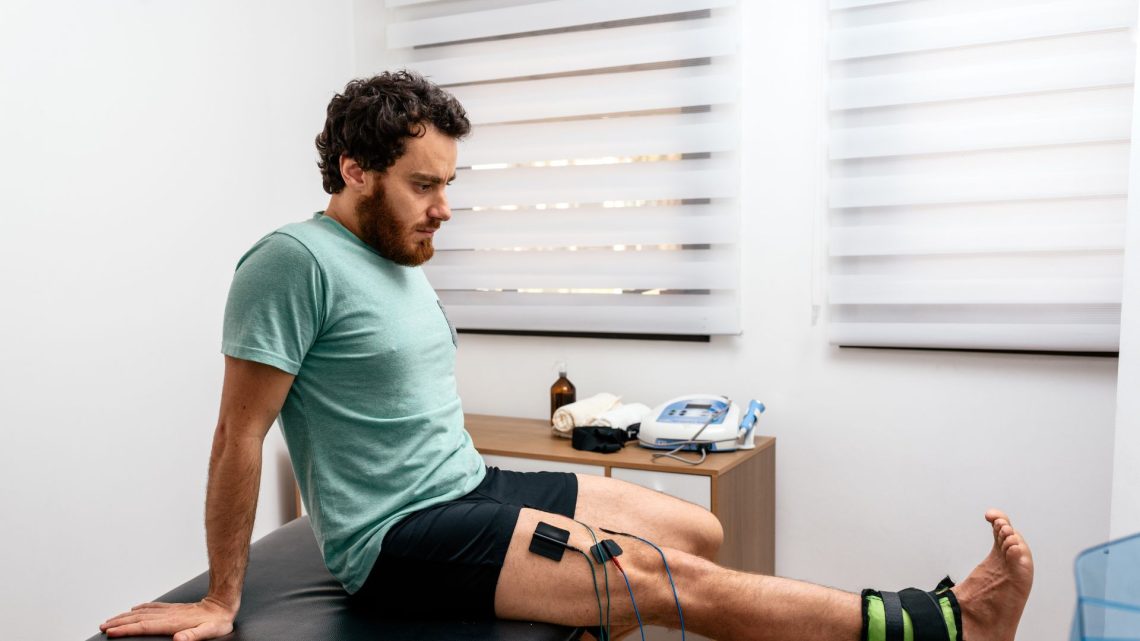
Electrotherapy uses controlled electric currents to support pain relief and muscle function.
Electrotherapy
Our clinic applies targeted electrical therapies to address musculoskeletal injuries.
Electrotherapy is the application of electric current to the affected area of the body, helping to accelerate healing while reducing swelling and pain.
At MY Sports Injury, our experienced physiotherapists use electrotherapy to treat a variety of sports injuries. We employ different types of electrotherapy techniques tailored to your specific needs.
Our physiotherapists will assess your sports injury and determine the most appropriate electrotherapy treatment to support your recovery.
At MY Sports Injury Clinic, the type of electrotherapy you receive will be tailored to your specific injury and the stage of healing you are experiencing. We use electrotherapy, including TENS, in conjunction with other treatment techniques such as manual therapy and targeted exercises.
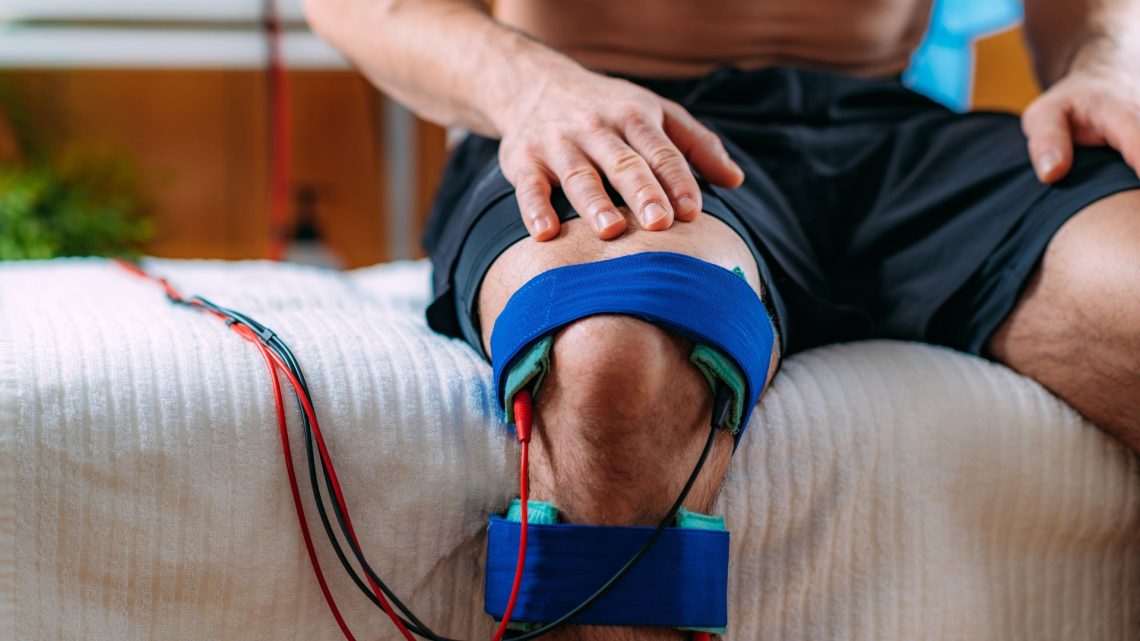
The techniques we use
Transcutaneous Electrical Nerve Stimulation (TENS)
Interferential Current Therapy (IFC)
Ultrasound Therapy
Electrical Muscle Stimulation (EMS)
Neuromuscular Electrical Stimulation (NMES)
Laser Therapy
Pulsed Shortwave Diathermy (PSWD)
Sports physiotherapy
Your first appointment is discounted, and every visit after is the same price.
45 minute appointment: physiotherapy assessment and your first treatment, same visit.
- Examination and assessment of how you move
- An assessment of what is causing your pain
- Your treatment plan, explained
- First treatment included on the day
The same price as your first visit.
Available on request with a valid student card.
Discount block packages are highly recommended.
Each technique, in the clinic's own words
Each technique is selected to reduce discomfort and promote mobility.
Transcutaneous Electrical Nerve Stimulation (TENS)
TENS is a non-invasive method of electrical stimulation designed to provide pain relief by stimulating sensory nerves and modulating pain signals. It serves as an alternative to drug treatments and has few side effects. A TENS machine consists of a handheld, battery-operated unit that generates electrical stimulation. Pre-gelled electrodes are placed on the skin to convey it. High frequency stimulates 'non-pain' nerve fibres, which send signals to the brain that block pain messages; low frequency promotes the production of endorphins. TENS is used for acute pain such as sports injuries, acute torticollis, low back pain and joint pain, and for chronic pain including low back pain, rheumatoid arthritis, peripheral nerve injuries and phantom limb pain, as well as postoperative pain, pain associated with Raynaud's disease, diabetic neuropathy pain, and pain during labour and delivery.
Ultrasound Therapy
Ultrasound is an electrotherapy technique that promotes healing and reduces inflammation at the cellular level. An ultrasound machine generates mechanical sound waves that create energy, causing micro-vibrations in the cells when they penetrate the skin. During treatment, an ultrasound head is placed on the affected area using specialised gel to ensure optimal contact, then slowly moved across the skin. It is a painless procedure commonly used to treat soft tissue injuries such as ligament sprains and muscle tears. For acute injuries a pulsed, low-intensity mode is often used; in chronic conditions ultrasound increases blood flow to the affected area, and continuous mode may be used. Ligaments, tendons, fascia, joint capsules and scar tissue, which contain high amounts of collagen, absorb ultrasound waves effectively.
Interferential Therapy (IF)
Interferential therapy employs electrical currents to reduce swelling, relieve pain and stimulate muscles, using two different frequencies that interfere with one another to create a medium frequency current within the tissues. It is applied for pain relief in acute and chronic pain such as lower back pain and sciatica, muscle spasm relief, tissue healing promotion, and deep muscle stimulation including the pelvic floor muscles. Conditions treated include lateral epicondylitis (tennis elbow), frozen shoulder, osteoarthritis, bursitis, tendinitis, fractures, incontinence and muscle weakness. For stress incontinence, electrodes are placed over the lower abdomen and inner thigh to facilitate pelvic floor muscle contractions.
Functional Electrical Stimulation (FES)
FES, also known as neuromuscular stimulation, uses electrical currents to activate nerves that control muscles affected by paralysis due to neurological conditions such as multiple sclerosis, stroke, head injury and spinal cord injury. The stimulation is delivered through surface electrodes to facilitate functional movements, such as lifting the foot during walking. Currents can be controlled by the physiotherapist using switches or dials; for home use FES can be operated via buttons, switches, joint position sensors and heel switches. It is commonly used for foot drop, and is also used to assist upper limb movements such as grasping, to encourage hip flexion during standing and walking, and to support bladder and bowel control in individuals with spinal cord injuries.
Laser Therapy
L.A.S.E.R stands for Light Amplification by Stimulated Emission of Radiation. Laser therapy involves applying low-intensity laser light to relieve pain and promote healing in damaged soft tissue. Low-level laser therapy uses the infrared spectrum, which penetrates the skin to stimulate cells within muscles, tendons and ligaments. The method of application varies with the condition, typically involving a treatment head or probe applied directly to the affected tissue, with the energy delivered carefully controlled by the physiotherapist. It is used for soft tissue and sports injuries such as muscle strains and ligament injuries, repetitive stress injuries including tendinitis, bursitis and carpal tunnel syndrome, arthritic conditions such as osteoarthritis and rheumatoid arthritis, tissue repair and wound healing including burns and ulcers, nerve regeneration such as Bell's palsy, and temporomandibular disorder.
Pulsed Shortwave Diathermy (PSWD)
PSWD uses high-frequency electromagnetic currents to promote tissue healing and alleviate pain. It has both thermal (mild heating) and non-thermal effects, making it effective for treating muscles, nerves and areas of swelling. It can assist with wound healing, haematomas, oedema, and soft tissue injuries and wounds. Its benefits relate primarily to the inflammatory and repair phases in soft tissue injuries and are similar to those of ultrasound and laser therapy: increased blood flow, decreased inflammation, improved quality of repair, pain control, and facilitation of tissue repair.
Other treatments at the clinic
If this is not quite what you need, these are the other routes in.
Book electrotherapy
Book your session or call 0161 243 1168 to discuss your needs.