
Acupuncture and dry needling
Acupuncture and dry needling for sports injuries delivered by specialist physiotherapists.
What is acupuncture and why is it used?
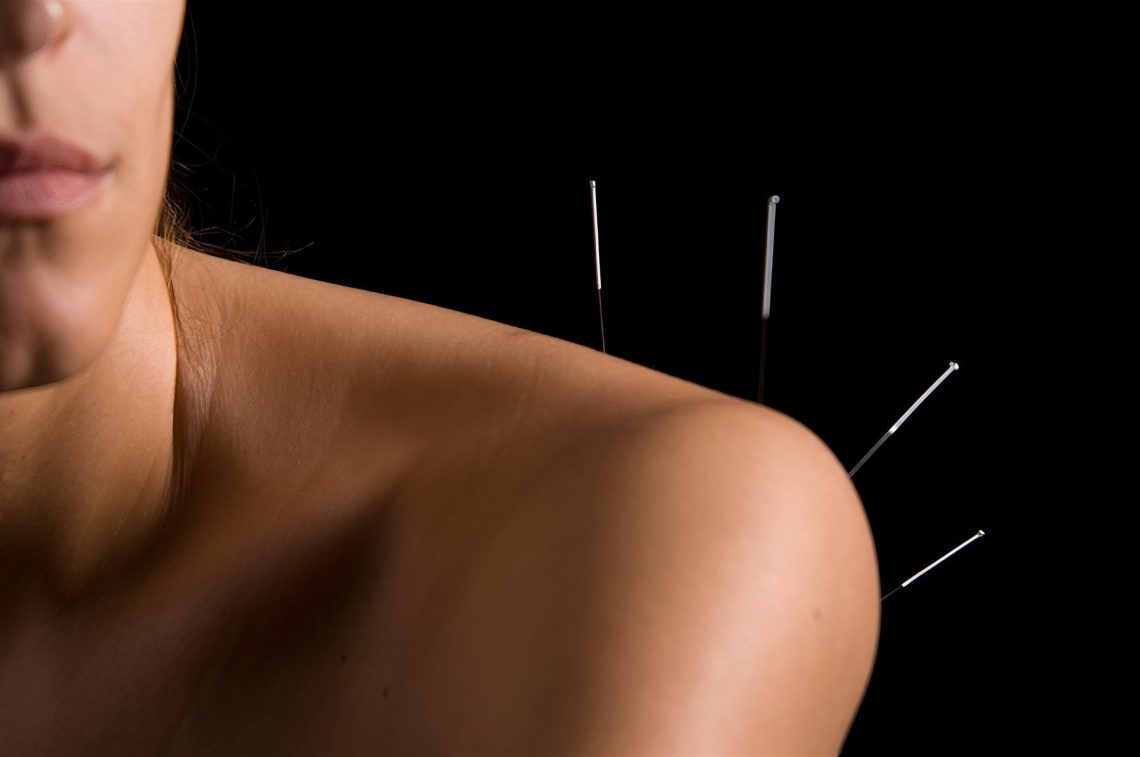
It involves fine, sterile needles placed at trigger points to ease muscle tension.
Our specialist sports physiotherapists use acupuncture to help restore the balance of energy in the body, which can relieve pain and inflammation and promote the healing process.
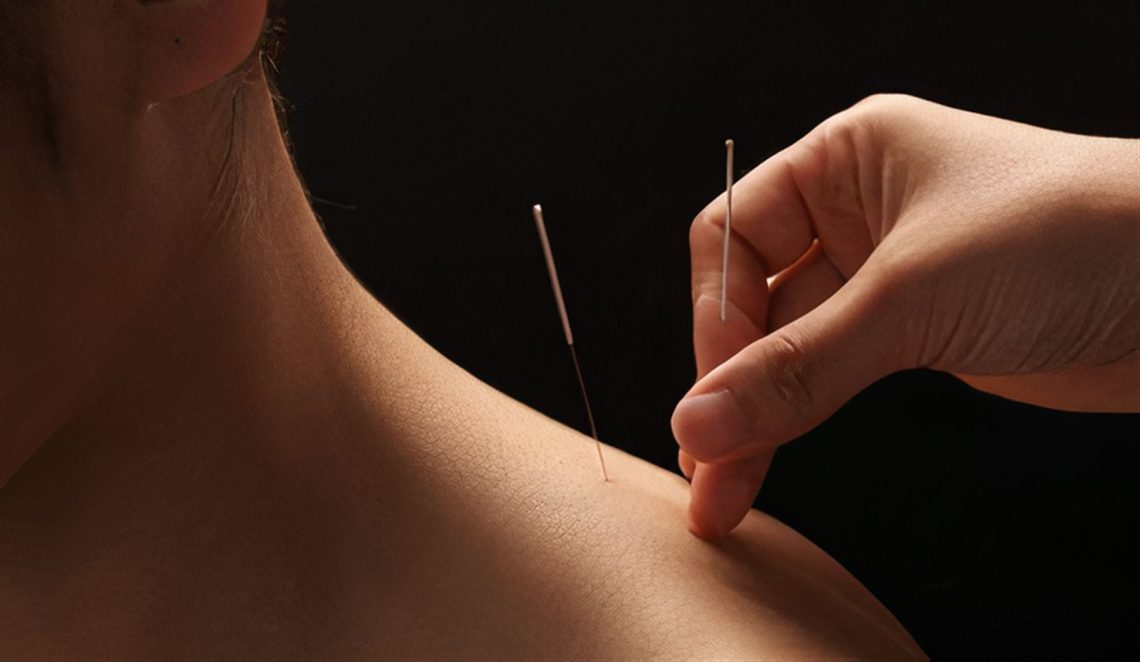
Dry needling acupuncture can be used to treat sports related acute or chronic type pain. It involves the insertion of fine needles into the muscle in the region of a trigger point.
The needles are sterile and very fine and will only be inserted at the surface of the skin. A dull ache may be felt, but you should not experience any pain.
Acupuncture points are believed to stimulate the central nervous system. It helps to release chemicals into the muscles, spinal cord, and brain. These biochemical changes may stimulate the body's natural healing abilities and promote physical and emotional well-being.
What the physiotherapists use it for
Pain Relief
Reducing Muscular Spasms
Reducing Joint Stiffness
Increasing Muscle Length
Reduces Joint Swelling
Promotes the Release of Endorphins
Relaxation
Stimulating an Inflammatory Response
Conditions treated with acupuncture
Migraines and Headaches
Acute & Chronic Pain
Arthritis
Back & Neck Pain
Sports Injuries
Stress Related Problems, Anxiety
Acupuncture
Adult sessions are priced at £70 for a one-hour appointment.
All needles are sterile and very fine and will only be inserted at the surface of the skin. A dull ache can be felt but you should not experience any pain.
Our practitioners are licensed Registered HCPC Physiotherapists, Chiropractors, and Registered Sports Rehabilitation / Massage Therapists, and we bill directly to most major health insurance providers. Please check with your insurance provider to see if a doctor's referral letter is required and the type of cover you have.
Acupuncture dry needling, in the clinic's own words
Find answers to common questions about the treatment and what to expect.
Effective Pain Relief
Pain Management: Acupuncture dry needling targets trigger points in muscles, providing relief from chronic and acute pain. If you're searching for physiotherapy near me to manage pain, incorporating dry needling with physiotherapy exercise therapy can offer comprehensive pain relief. Complementary Treatment: Dry needling can complement traditional physiotherapy methods, making it a valuable addition to your treatment plan, whether combined with manual therapy or other interventions.
Improved Muscle Function
Muscle Relaxation: This technique helps release muscle tightness and tension, promoting better muscle function. Physiotherapists often use dry needling in conjunction with physiotherapy exercise therapy to enhance overall muscle performance. Enhanced Mobility: By addressing tight muscles and trigger points, acupuncture dry needling improves range of motion, which is beneficial if you're engaging in private physiotherapy near me to recover from an injury or surgery.
Increased Blood Flow and Healing
Boosted Circulation: Dry needling stimulates blood flow to the affected area, aiding in the healing process. If you're exploring physiotherapy or chiropractic care, incorporating dry needling can enhance the overall effectiveness of your rehabilitation. Accelerated Recovery: Improved circulation supports faster healing and reduces inflammation, which is especially helpful when combined with other physiotherapy treatments.
Reduction of Muscle Spasms
Spasm Relief: Dry needling effectively reduces muscle spasms by targeting underlying trigger points. Physio treatments often include dry needling to alleviate spasticity and muscle cramps, providing a more comprehensive approach to recovery. Preventative Care: Regular dry needling sessions can help prevent the recurrence of muscle spasms, making it a useful addition to ongoing physiotherapy exercise therapy.
Decreased Inflammation
Inflammation Management: By improving muscle relaxation and blood flow, dry needling helps reduce inflammation in the affected area. This benefit complements other physiotherapy techniques aimed at managing inflammation and supporting recovery. Holistic Approach: For conditions requiring both inflammation control and muscle rehabilitation, integrating dry needling with physiotherapy or chiropractic care can offer a holistic treatment approach.
Specialized Rehabilitation
Tailored Treatments: Pelvic floor muscle physiotherapy and other specialized physiotherapy services can benefit from the integration of dry needling. It provides targeted relief for specific areas, enhancing the effectiveness of comprehensive rehabilitation programs. Customized Care: Whether you're looking for private physiotherapy near me or specialized treatments, dry needling can be tailored to address individual needs and conditions.
Safe and Minimal Side Effects
Non-Invasive Treatment: Acupuncture dry needling is a safe, minimally invasive technique that does not rely on medications, making it a suitable option for many patients. It's often used alongside physiotherapy to provide effective pain relief and functional improvement. Well-Tolerated: Most patients experience minimal discomfort during and after dry needling sessions, which can be seamlessly integrated into various physiotherapy and chiropractic treatments.
Complementary to Other Therapies
Integrated Approach: Dry needling can be effectively combined with other physiotherapy techniques, such as manual therapy and exercise programs, to maximize recovery outcomes. Chiropractor or Physiotherapy: If you're considering chiropractor or physiotherapy options, dry needling offers a complementary approach to address muscle pain and dysfunction.
Benefits of Acupuncture
Acupuncture involves the insertion of thin needles into specific points on the body, called acupuncture points, to stimulate healing and energy flow (Qi). It is widely practiced for pain relief and a variety of other health issues. Pain Relief Acupuncture is widely used to treat chronic pain conditions, including back pain, neck pain, arthritis, and migraines. It helps by stimulating nerves, muscles, and connective tissue, promoting blood flow and the release of natural painkillers such as endorphins. Stress Reduction and Relaxation Acupuncture can stimulate the parasympathetic nervous system, promoting relaxation and reducing stress. It may also help regulate the body's cortisol levels, which are often linked to stress. Improves Circulation By stimulating acupuncture points, acupuncture increases blood flow, enhancing the body's ability to heal by delivering more oxygen and nutrients to tissues. Reduces Inflammation Acupuncture has been shown to help reduce inflammation, which is linked to various health conditions such as autoimmune disorders, arthritis, and even heart disease. Supports Women’s Health It is commonly used to help with issues such as menstrual pain (dysmenorrhea), and menopausal symptoms. Enhances Recovery from Injuries Athletes and individuals recovering from injuries or surgeries often use acupuncture to speed up the healing process, reduce swelling, and improve mobility.
Benefits of Dry Cupping
Dry cupping therapy involves placing cups on the skin to create suction, which draws the skin and superficial muscles into the cup. This technique applies suction to the skin over the treated area. Relieves Muscle Tension and Pain Cupping can help alleviate muscle tightness and chronic pain. The suction created by the cups helps loosen muscles, increase blood flow to the area, and promote faster healing of muscle and connective tissue. Improves Blood Flow and Circulation The suction increases blood flow to the treated area, which can help reduce inflammation and deliver oxygen and nutrients to tissues. Promotes Relaxation Similar to acupuncture, dry cupping has a relaxing effect on the body. Many people experience a sense of deep relaxation during the treatment, which can lower stress levels and improve overall well-being. Reduces Inflammation Dry cupping is thought to reduce inflammation, which can reduce pain and swelling associated with chronic inflammatory conditions. Helps with Respiratory Issues Cupping is commonly used in traditional medicine to help relieve respiratory conditions like asthma, bronchitis, and even the common cold. It can help loosen phlegm and improve breathing. Enhances Skin Health The increased blood flow from cupping can benefit skin health, helping with conditions such as acne, eczema, and cellulite. It is also believed to help improve skin elasticity and texture. Improves Mobility and Flexibility Athletes and individuals with mobility issues often use dry cupping to help reduce stiffness and improve range of motion by relaxing tight muscles and fascia. Speeds Recovery from Sports Injuries Dry cupping can help athletes recover faster from sports injuries by promoting blood flow, reducing muscle tension, and aiding in the removal of lactic acid, which contributes to muscle soreness.
Combined Benefits of Acupuncture and Dry Cupping
When used together, acupuncture and dry cupping can enhance each other’s effects: Comprehensive Pain Relief: Acupuncture targets deeper, systemic pain pathways, while cupping addresses local muscle tension and improves blood flow. Improved Recovery and Healing: Both therapies increase circulation and reduce inflammation, helping the body heal faster from injuries or chronic pain. Holistic Approach: Together, these treatments provide a more holistic approach to health, addressing both physical symptoms and underlying imbalances in the body’s energy or circulation. Conclusion Acupuncture and dry cupping offer a range of benefits for pain relief, improved circulation, reduced inflammation, and overall relaxation. These therapies can be highly effective on their own or when combined, particularly for those dealing with chronic pain, injuries, stress, and inflammation.
Acupuncture and cupping are effective therapies
For treating back pain by targeting different mechanisms within the body to alleviate pain, reduce inflammation, and promote healing. They complement each other well when used in combination to treat both acute and chronic back pain. Here’s how each therapy benefits back pain:
Benefits of Acupuncture for Back Pain
Acupuncture involves inserting fine needles into specific points on the body to stimulate nerves, muscles, and connective tissues. It is known to be particularly effective for managing back pain. Pain Relief Acupuncture stimulates the release of endorphins, the body’s natural painkillers. This can help relieve both chronic and acute back pain by blocking pain signals to the brain. It influences the nervous system and reduces the perception of pain, leading to long-term relief in cases of persistent back pain, such as lower back pain or sciatica. Reduces Inflammation Acupuncture can help reduce inflammation by improving circulation and stimulating anti-inflammatory responses in the body. It enhances blood flow to the affected area, reducing swelling and muscle tension that contribute to back pain. Relaxes Tight Muscles Acupuncture can effectively loosen tight muscles and relieve muscle spasms, which are common causes of back pain. This is especially helpful for individuals with muscle strain or injury in the back. Improves Mobility and Flexibility For people experiencing stiffness or limited mobility due to back pain, acupuncture helps improve range of motion by promoting relaxation in muscles and joints. Targets the Root Cause of Pain Acupuncture works holistically by addressing both the symptoms and underlying causes of back pain. It can help improve posture, spinal alignment, and muscle imbalances, leading to longer-lasting pain relief. Relieves Stress and Promotes Relaxation Stress and tension can exacerbate back pain, especially in the upper back and shoulders. Acupuncture helps activate the parasympathetic nervous system, promoting relaxation and stress relief, which can indirectly alleviate back pain. Reduces Sciatic Pain Acupuncture is often used to treat sciatica, a common condition that causes pain radiating from the lower back through the hips and legs. It reduces the inflammation and nerve compression that cause sciatic pain.
Benefits of Cupping for Back Pain
Cupping therapy involves placing cups on the skin to create suction, which draws blood to the surface, increases circulation, and loosens muscles. It’s an effective therapy for managing back pain, particularly in the muscles. Muscle Relaxation The suction from the cups helps loosen tight muscles, fascia, and connective tissue, making it especially effective for people with muscle tension, spasms, or stiffness in the back. It targets deeper layers of tissue, relieving tightness and improving flexibility. Increases Blood Flow Cupping promotes local blood circulation, which helps bring oxygen and nutrients to the muscles and tissues in the back, speeding up recovery from injury or strain. This improved circulation also aids in reducing inflammation and swelling. Relieves Pain Cupping works similarly to a deep-tissue massage, relieving pain in muscles and joints by stimulating blood flow and relaxing tense tissues. It’s commonly used to treat both acute back pain (from injury or strain) and chronic conditions like herniated discs and arthritis. Promotes Lymphatic Drainage By improving lymphatic drainage, cupping helps reduce swelling and inflammation in the back, promoting faster healing and recovery. Breaks Up Scar Tissue For individuals recovering from back injuries or surgeries, cupping can help break up scar tissue and adhesions, which may contribute to stiffness and pain. It improves tissue elasticity and mobility. Reduces Stress and Tension Similar to acupuncture, cupping has a relaxing effect on the body, helping to relieve stress and emotional tension that can worsen back pain. The calming sensation it provides may help reduce pain intensity and promote overall well-being.
Combined Benefits of Acupuncture and Cupping for Back Pain
When acupuncture and cupping are used together, they offer a comprehensive treatment for back pain by addressing both the underlying causes and symptoms. Enhanced Pain Relief: Acupuncture reduces pain by targeting the nervous system, while cupping alleviates muscle tension and improves blood flow. Together, they provide a stronger pain-relief effect.
Other treatments at the clinic
If this is not quite what you need, these are the other routes in.
Book acupuncture
To arrange a session, call 0161 243 1168 or book online today.