
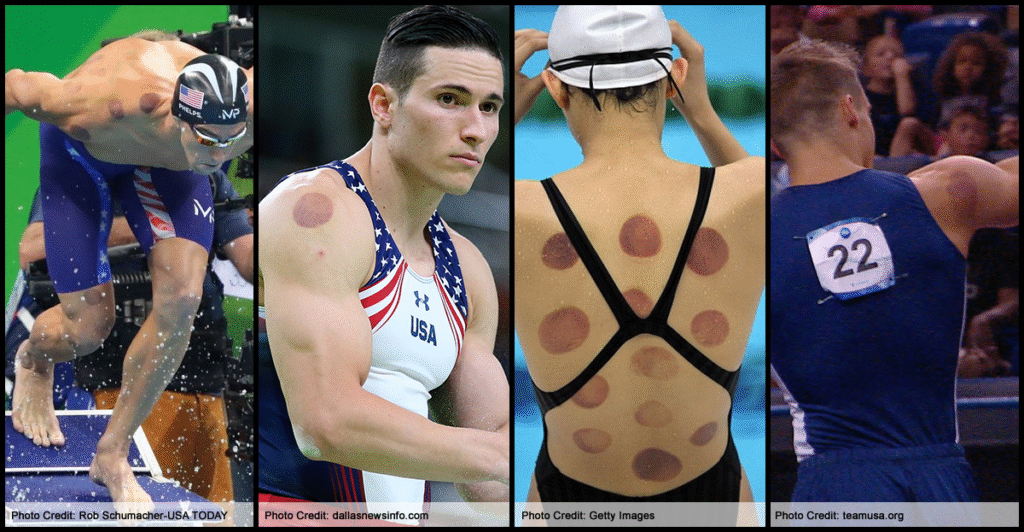
Hijama Wet Cupping: Ancient Natural Healing for Modern Sports Injuries
Chasing faster recovery? Hijama wet cupping might be the game-changer your sports injury routine is missing.
Introduction
Years ago—after an overly spirited football match—I found myself hobbling into a sports injury clinic, desperately seeking relief from a throbbing hamstring. The team there suggested hijama wet cupping. Skeptical but curious, I agreed. The next morning, my pain had dialed down, and I was left (mostly) wondering: why had I waited so long to try it?
What is Hijama Wet Cupping and How Does it Work?
Hijama wet cupping, known simply as “hijama,” is a centuries-old technique that’s getting a fresh look from today’s athletes. The therapy involves creating suction with cups on targeted parts of the body—typically after making tiny skin pricks to draw out a small amount of blood.
- Dry cupping:Just suction, no blood drawn.
- Wet cupping:Includes skin incisions, allowing a small amount of blood to exit.
Why Athletes—and Their Muscles—Love Hijama
Sports professionals and weekend warriors alike endure muscle strains, tendonitis, and deep tissue pain. Hijama is gaining ground because:
- It increases blood flow, delivering much-needed oxygen and nutrients to banged-up muscles.
- The process may reduce inflammation and swelling, which means quicker bounce-backs after tough sessions.
- Some report reduced muscle soreness and less time spent benched due to injury.
- Notably, hijama is credited with boosting overall flexibility and range of motion—plus, a little mood lift never hurts anyone.
Hijama vs. Sports Massage—Not a Rivalry, But a Tag Team
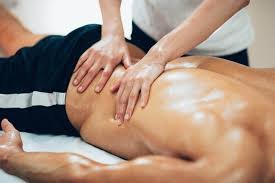
Sports massage is the old faithful—kneading tight spots, easing knots, and coaxing tense muscles into submission. So you might wonder: why try hijama? Here’s how the approaches stack up:
| Hijama Wet Cupping | Sports Massage | |
| Technique | Suction + skin incisions | Manual kneading/pressure |
| Targets | Local circulation | Muscle knots, tight fascia |
| Recovery focus | Improved circulation, inflammation reduction | Pain relief, tension release |
| Sensations | Suction, mild pressure | Deep, focused rubbing |
Inside a Sports Injury Clinic—Going Beyond RICE
Most sports injury clinics now feature integrated options—think hijama therapy alongside physiotherapy and soft-tissue work. At reputable centers, you’ll get personalized assessments, and practitioners often mix and match modalities (including hijama and sports massage) for comprehensive, long-term results.
Actionable Takeaways
Ready to scrutinize your recovery toolkit? Here’s what to put on your game plan:
- Schedule hijama after intense training or injury.
- Pair it with sports massageto keep muscles supple and reduce risk of further injury.
- Choose a certified hijama practitioner in a reputable sports injury clinic—always prioritize experienced, licensed professionals.
- Expect minor discomfort and some temporary skin markings(they fade, and you might even wear them as a “badge of recovery”).
- Stay hydrated and well-fedbefore sessions for best results.
When Sports Massage Complements Hijama
Use sports massage for routine muscle maintenance.
Book hijama for acute pain or persistent injuries.
Ask your clinic for a tailored plan—sometimes, the best move is alternating therapies.
Conclusion
Hijama wet cupping isn’t just a retro healing method—it’s quickly becoming a staple for athletes searching for safe, effective injury rehab and performance gains. Whether you’re stuck on the couch or sprinting to victory, consider adding a little ancient wisdom and a few cupping marks to your training story. Just imagine telling your teammates your bruises are proof of a next-level recovery routine—and watch them scramble for bookings.
Book your session
To arrange your appointment or speak with our team, please call 0161 243 1168.