
Feeling stiff and tense after a long week? Deep tissue massage, physiotherapy and dry cupping may help you feel more comfortable and mobile.[1][2][3]
Introduction
Expert Insight
What Is Dry Cupping?
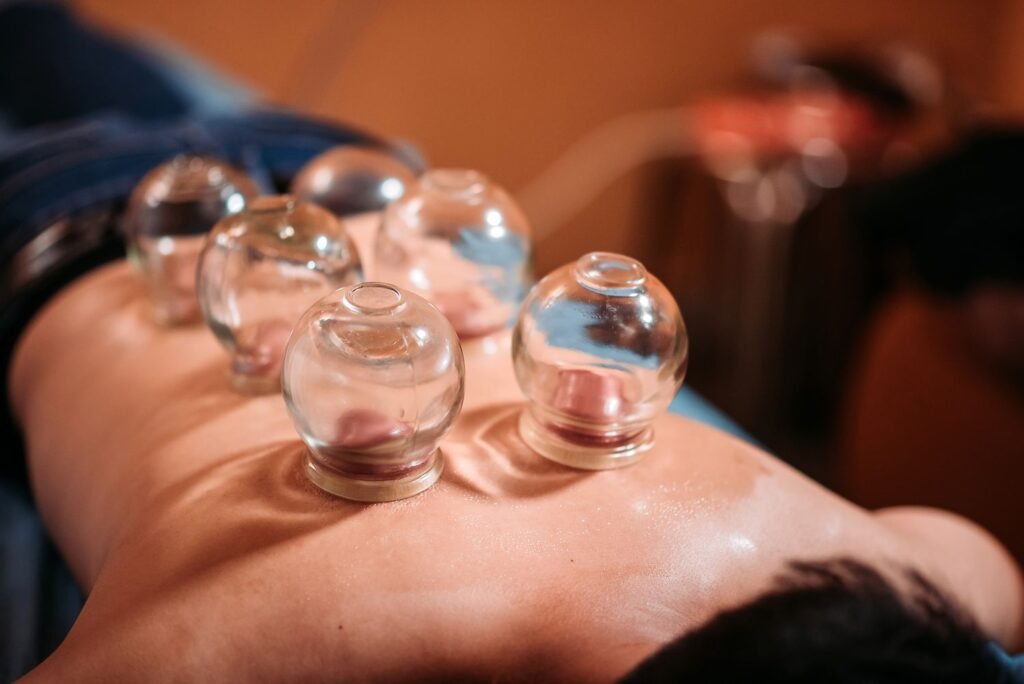
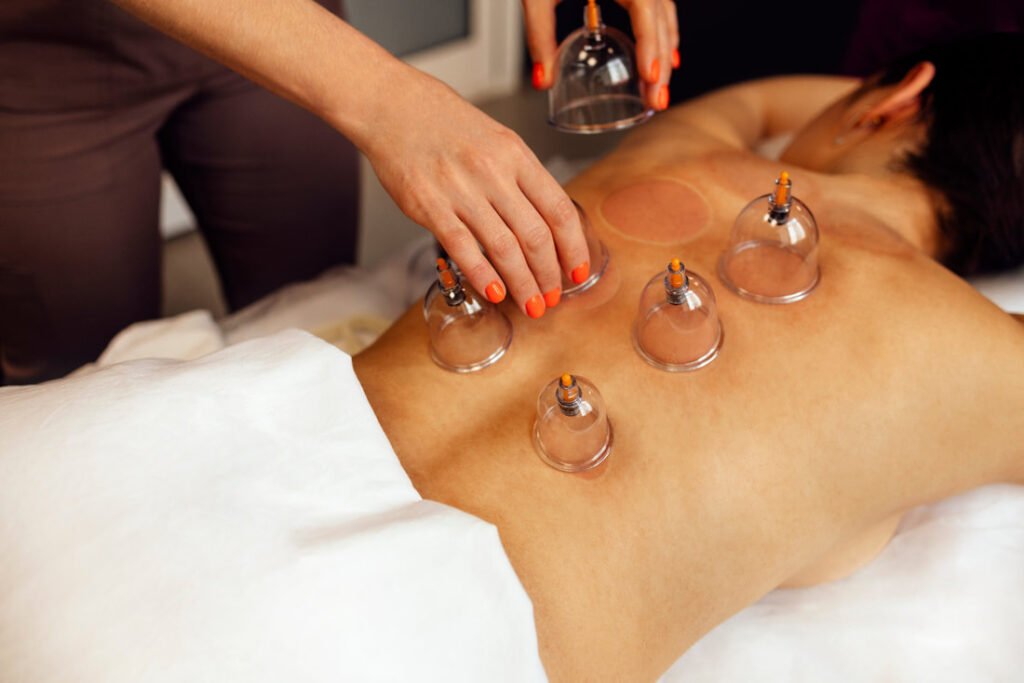
Dry cupping involves placing specialized cups (usually plastic or silicone) across the back, creating negative pressure that lifts the skin and underlying fascia—without breaking the skin (no vampires invited). It’s been a staple in traditional medicine for centuries, but in the last decade, it’s caught the attention of physiotherapists and sports massage therapists seeking a drug-free, movement-first solution.[5][6][1][4]
How Deep Tissue Massage Complements Cupping
Deep tissue massage works into the deeper muscle layers, while cupping is thought to support local blood flow. Used together, this combination may help support muscle recovery and range of motion for both athletes and those with more sedentary routines.[7][8]
The Science Behind Relief
Improved Circulation & Pain Relief
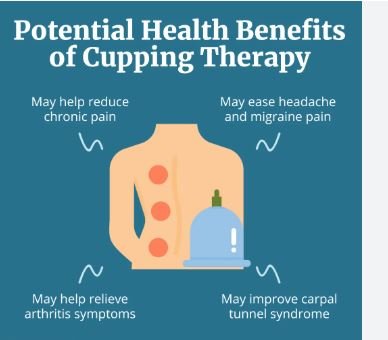
Cupping’s suction draws blood toward the skin’s surface. Many people find this can support how muscles feel and move. Deep tissue massage uses calculated pressure to work through tight areas, target trigger points and address areas of soreness.[3][8][1]
- Key benefits include:
- Decreased soreness and inflammation
- Faster post-exercise recovery
Injury Prevention
Alongside relaxation, regular dry cupping sessions, combined with massage, may support recovery and help reduce the risk of overuse injuries – something both keen weekend athletes and desk-based workers can benefit from.[11]
For Whom—and How?
Sports Professionals & Sedentary Desk-dwellers
Physiotherapy clinics often combine cupping and deep tissue massage to support athletic performance and help with postural strain from long hours at a desk. Many sports people report quicker recovery and improved flexibility, and office workers dealing with shoulder or neck tension can benefit too.[6][12][8]
Sports Massage Meets Flexibility
Sports massage often incorporates cupping for targeted relief, especially after competition or heavy training. By working and mobilising soft tissue before applying suction, therapists aim to support reduced muscle tightness and improved joint range of motion.[8][13][7][11]
Actionable Takeaways
Ready to give it a whirl—or rather, a suction? Pros and non-athletes alike can try:
- Scheduling bi-weekly sessions post-training or long workdays
- Requesting both deep tissue massage and dry cupping for synergistic results
- Pairing with stretching or resistance training for maximum recovery
- Seeking a clinic where physiotherapists and massage therapists collaborate
- Monitoring for skin reactions (any bruising usually fades quickly; if it doesn’t, raise this with your provider)[3][8][4]
(Pro tip: Always tell your therapist about medications, injuries, or goals—communication beats guesswork.)
Conclusion
Whether you’re competing on the pitch or spending long hours at a desk, deep tissue massage, physiotherapy and dry cupping are tools that may support back comfort, recovery and movement. Speak to our team to find out whether this combination could be right for you.[9][11]
Book your sports massage session today.
References
- https://my.clevelandclinic.org/health/treatments/16554-cupping
- Charles D et al. A systematic review of manual therapy techniques, dry cupping and dry needling in the reduction of myofascial pain and myofascial trigger points. J Bodyw Mov Ther. 2019.
- Zhang Z et al. The effectiveness of cupping therapy on low back pain: A systematic review and meta-analysis of randomized control trials. Complement Ther Med. 2024.
- https://www.uhhospitals.org/blog/articles/2021/02/dry-cupping-therapy-does-it-really-help
- Jia Y et al. Effects of cupping therapy on chronic musculoskeletal pain and collateral problems: a systematic review and meta-analysis. BMJ Open. 2025.
- Mohamed AA et al. Evidence-based and adverse-effects analyses of cupping therapy in musculoskeletal and sports rehabilitation: A systematic and evidence-based review. J Back Musculoskelet Rehabil. 2023.
- https://pmc.ncbi.nlm.nih.gov/articles/PMC12140169/
- Yin P et al. Adverse events of massage therapy in pain-related conditions: a systematic review. Evid Based Complement Alternat Med. 2014.
- Wood S et al. Dry cupping for musculoskeletal pain and range of motion: A systematic review and meta-analysis. J Bodyw Mov Ther. 2020.