
Sports Physiotherapy for Knee Pain: Your Complete Guide to Recovery and Prevention by Humza Physiotherapist & Soft Tissue Release Therapist.
Sports physiotherapy transforms knee pain into strength—learn how targeted treatment can get you back in the game.
Introduction
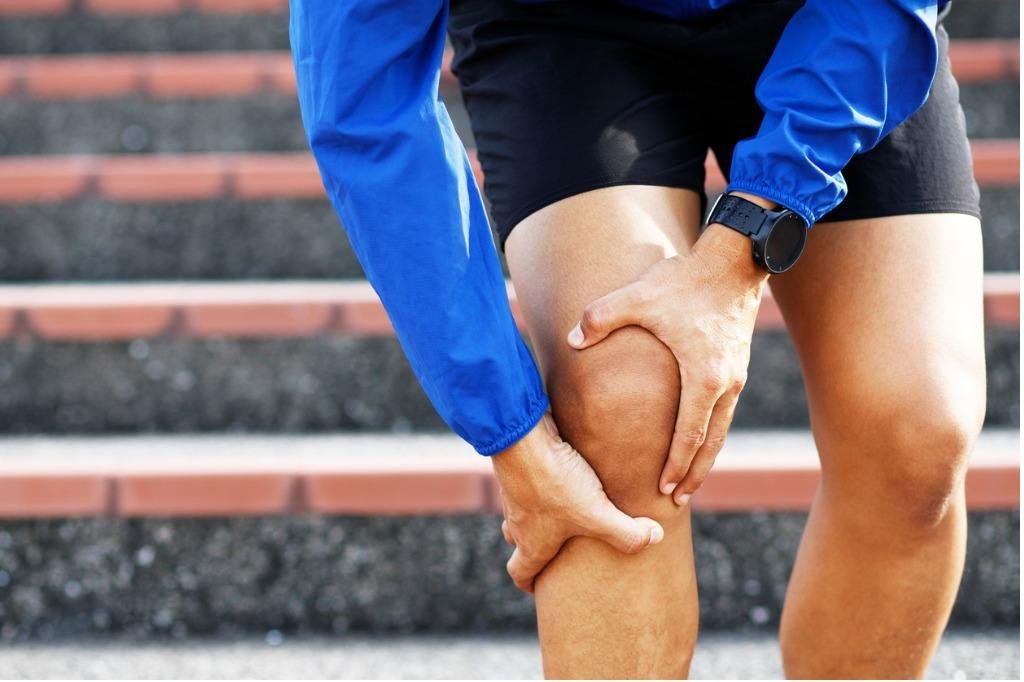
Knee pain can develop suddenly during sport or build gradually through everyday wear, and it affects weekend players just as much as dedicated athletes. For anyone finding stairs, training or simply walking less comfortable than before, sports physiotherapy can offer a structured way back to activity.[1][2]
Knee pain is a common complaint among people who play sport, from committed competitors to those with a more sedentary lifestyle trying to get moving again. Knee pain doesn’t discriminate by fitness level or age. The good news is that sports physiotherapy offers a structured pathway to recovery that goes beyond general treatment approaches.[3][4][5][6]
Understanding Sports Physiotherapy vs. Traditional Treatment
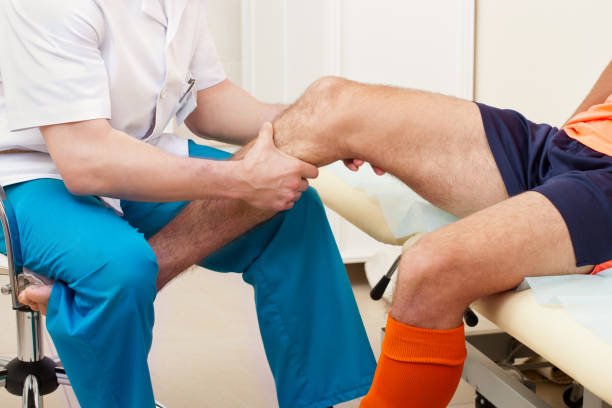
Sports physiotherapy is a specialised branch of healthcare that combines targeted techniques with sport-specific knowledge to address knee pain comprehensively. Unlike general physiotherapy, which covers a broad range of conditions including cardiovascular and neurological issues, sports physiotherapy focuses closely on musculoskeletal problems – particularly those linked to physical activity.[2][7][1]
Sports therapy offers a specialised approach to managing knee pain, helping people work towards better mobility, strength and confidence in movement. This targeted approach means practitioners often spend years focusing solely on musculoskeletal injuries and rehabilitation, developing expertise that can be particularly valuable for active individuals.[1]
The key difference lies in the application. While traditional physiotherapy might use manual therapy primarily for pain management, sports physiotherapy applies these same techniques to help people manage the demands of intense training and competition, supporting muscle health and recovery between activities.
What Makes Sports Physiotherapy Unique for Knee Pain?
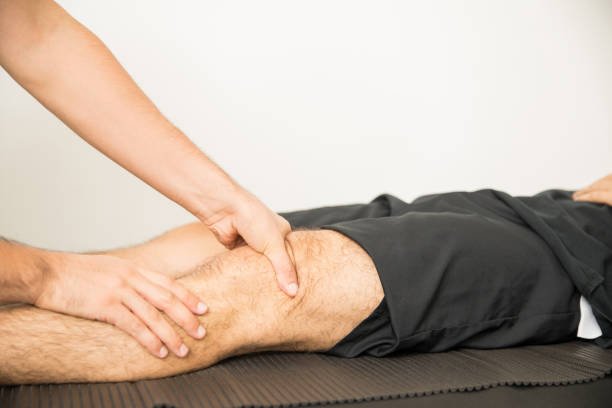
Sports physiotherapy addresses knee pain through a performance-focused lens. According to research published in systematic reviews, sports massage—a cornerstone technique in sports physiotherapy—can play a vital role in alleviating knee pain by targeting both muscular and joint-related issues. Studies demonstrate that sports massage offers improvements in flexibility while reducing delayed onset muscle soreness, aiding recovery after physical activity.[8]
The specialised techniques include effleurage (stroking movements), petrissage (kneading), friction, and tapotement – each serving a specific purpose in knee pain management. These methods are used to ease muscle tension and support flexibility around the joint.[9][10][11]
The Science Behind Knee Pain in Active Individuals
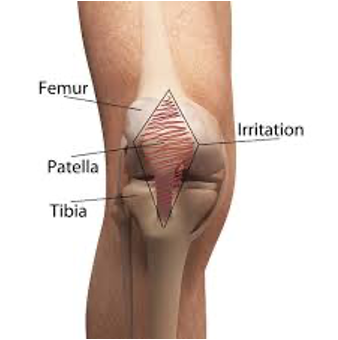
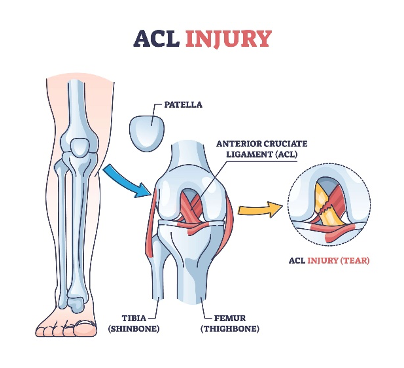
Understanding knee pain begins with recognising the joint’s complexity. With each step on level ground, your knee can bear around two to three times your body weight, rising further when climbing stairs – making it one of the hardest-working joints in the body. This intricate structure comprises three bones (femur, tibia, and patella), multiple ligaments, cartilage, and surrounding muscles – all vulnerable to injury.[12]
Common Knee Conditions in Sports and Sedentary Lifestyles
Patellofemoral Pain Syndrome (PFPS)
Anterior Cruciate Ligament (ACL) injuries
This is the most common cause of knee pain in young athletes, characterized by pain around the kneecap. This condition affects both highly active individuals and those with sedentary lifestyles, particularly young women. Contributing factors include weak thigh muscles, tight hamstrings, and poor foot support.[13][3]
Iliotibial Band (ITB) Syndrome commonly affects runners and cyclists, caused by friction between the ITB and the lateral femoral epicondyle. Meanwhile, knee bursitis results from inflammation of fluid-filled sacs that cushion the joint, often triggered by direct blows during contact sports.[3][4]
For sedentary individuals, osteoarthritis becomes a primary concern – a degenerative condition where cartilage wears away, leading to stiffness, pain, and reduced mobility. This condition particularly affects older adults but can also impact younger individuals with previous injuries.[12]
Case Study: From Chronic Pain to Peak Performance
Professional Insights on Treatment Success
According to Mr. Damian McClelland, Trauma and Orthopaedic Consultant at Bupa, “Conservative treatment, including physiotherapy, is usually recommended as a first step to treat knee pain. This is because most people recover well using non-invasive therapy”. His perspective, backed by clinical experience, reinforces that many knee issues can be successfully managed without surgical intervention when proper rehabilitation is implemented early.[15]
Actionable Takeaways for Managing Knee Pain
Immediate Pain Relief Strategies
Apply the POLICE principles: Protect, Optimal Loading, Ice, Compression, and Elevation provide the foundation for acute knee pain management. Ice application should occur within the first 48-72 hours after injury, followed by heat therapy for chronic conditions.[16][15]
Seek professional assessment early: sports physiotherapists can provide a thorough evaluation, looking beyond symptoms to help identify contributing factors. This approach can help prevent minor issues from becoming bigger problems.[17][1]
Long-term Recovery and Prevention
Focus on strengthening exercises: Target the quadriceps, hamstrings, and gluteal muscles to provide better knee support. Research shows that muscle imbalances—where one muscle group is significantly stronger than its counterpart—often contribute to knee pain development.[18][19]
Incorporate flexibility work: Tight muscles create additional stress on knee joints. Regular stretching of quadriceps, hamstrings, and calf muscles helps maintain proper joint mechanics.[20][21]
Sports Massage Techniques for Knee Pain Relief
Professional sports massage offers multiple therapeutic benefits for knee pain sufferers. These techniques include:[22][23]
- Increased blood circulation: Enhanced nutrient delivery to injured tissues accelerates healing
- Reduced muscle tension: Alleviating tightness in supporting muscles decreases joint stress
- Improved flexibility: Better range of motion reduces injury risk
- Pain management: Massage therapy stimulates endorphins while reducing pain signal transmission[23]
The key is finding a qualified practitioner who can assess your specific condition and determine appropriate treatment intensity. Some individuals with pre-existing conditions like high blood pressure or osteoporosis may need modified approaches.[23]
Conclusion
Knee pain doesn’t have to define your limitations—whether you’re an athlete or someone rediscovering an active lifestyle. Sports physiotherapy offers evidence-based solutions that address root causes rather than just symptoms, providing a pathway from pain to performance.
The combination of specialized techniques, performance-focused rehabilitation, and preventive strategies makes sports physiotherapy particularly effective for knee pain management. From immediate pain relief through sports massage to long-term strength building and movement optimization, this approach transforms how you move and feel.
Don’t let knee pain sideline your goals. The journey from limitation to liberation begins with a single step—consulting with a qualified sports physiotherapist who can guide your recovery and help you reclaim your active lifestyle.
Ready to get personalized relief? Book your sports massage session today and experience neck pain relief firsthand.
Click to book. An Appointment with Humza Physical Therapist in Manchester.
REFERENCE LIST:
⁂
- Knee pain. Versus Arthritis.
- What is physiotherapy? The Chartered Society of Physiotherapy.
- Senthil K et al. Common Risk Factors for Knee Injuries in Runners: A Systematic Review. Orthop J Sports Med. 2026.
- Sundberg A et al. Sport-Specific Injury Mechanisms and Situational Patterns of ACL Injuries: A Comprehensive Systematic Review. Sports Med. 2025.
- Neal BS et al. Best practice guide for patellofemoral pain based on synthesis of a systematic review, the patient voice and expert clinical reasoning. Br J Sports Med. 2024.
- Osteoarthritis in over 16s: diagnosis and management. NICE guideline NG226.
- Professions and protected titles. Health and Care Professions Council.
- Davis HL et al. Effect of sports massage on performance and recovery: a systematic review and meta-analysis. BMJ Open Sport Exerc Med. 2020.
- Weerapong P et al. The mechanisms of massage and effects on performance, muscle recovery and injury prevention. Sports Med. 2005.
- Field T Massage therapy research review. Complement Ther Clin Pract. 2016.
- Dakić M et al. The Effects of Massage Therapy on Sport and Exercise Performance: A Systematic Review. Sports (Basel). 2023.
- Milner CE et al. Walking velocity and step length adjustments affect knee joint contact forces in healthy weight and obese adults. J Orthop Res. 2018.
- https://kidshealth.org/en/teens/runners-knee.html
- https://www.bupa.co.uk/health-information/knee-pain/knee-ligament-injury
- https://www.bupa.co.uk/newsroom/ourviews/treatment-options-knee-pain
- Sprains and strains. NHS.
- Physiotherapy. NHS.
- https://orthoinfo.aaos.org/en/diseases–conditions/adolescent-anterior-knee-pain/
- Hegde DD et al. Effectiveness of Quadriceps Strength Training in Adults With Knee Osteoarthritis: A Systematized Review. Musculoskeletal Care. 2025.
- Sanchez-Alvarado A et al. Effects of conservative treatment strategies for iliotibial band syndrome on pain and function in runners: a systematic review. Front Sports Act Living. 2024.
- Knee pain. NHS.
- Poppendieck W et al. Massage and Performance Recovery: A Meta-Analytical Review. Sports Med. 2016.
- Yin P et al. Adverse events of massage therapy in pain-related conditions: a systematic review. Evid Based Complement Alternat Med. 2014.
- https://pmc.ncbi.nlm.nih.gov/articles/PMC7942256/
- https://www.bupa.co.uk/health-information/knee-pain