
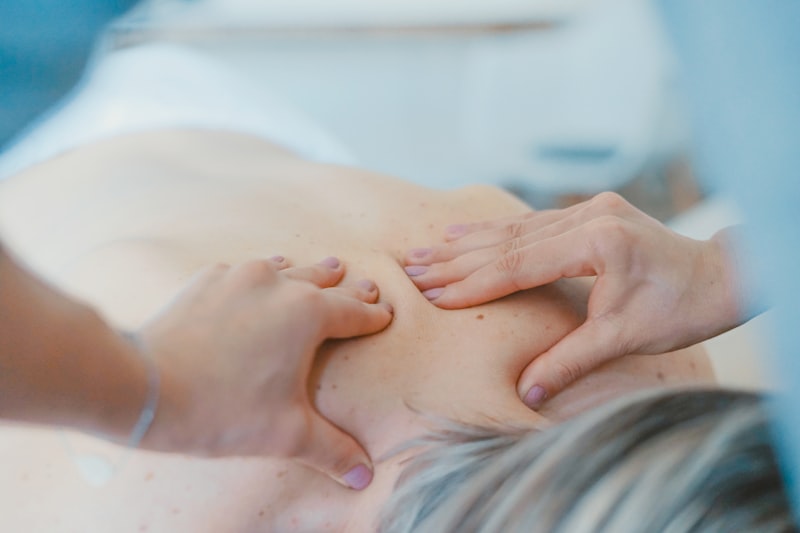
Inguinal Hernia Unpacked: How Sports Massage Therapy & Physiotherapy Can really help
Ever hobbled off the pitch after a game, convinced you’ve “just strained something,” only for the ache to linger longer than your last Netflix binge? That’s exactly how I first stumbled into the world of inguinal hernias (let’s just say my soccer career peaked in the local leagues). If you’re a sports professional—or just a professional at sitting—chances are you’re no stranger to groin pain. But can sports massage and physiotherapy be your new MVPs? Let’s scrutinize the facts.
Introduction
Years ago, after a blissfully ignorant sprint, I realized dull groin pain is neither character-building nor fleeting. Trust me: ignoring it will only lead to a parenthetical aside like mine (“oh, that old injury?”)—or worse, surgery. Many athletes and desk-bound folks alike face the annoying symptoms of inguinal hernias. The good news? Help isn’t limited to the operating table.
What Is an Inguinal Hernia?
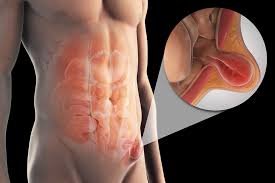
Before you ask for a sports massage or sign up for physiotherapy, let’s clarify the foe you’re facing. An inguinal hernia occurs when tissue pushes through a weak spot in the abdominal wall, often presenting as a visible—or at least palpable—bulge near your groin. Unlike the “sports hernia” (a slightly different groin strain, confusingly named), a true inguinal hernia involves an actual defect in the muscle wall. Risk factors run the gamut from hard tackles on the field to sitting too much scrolling TikTok.
Signs You Might Have an Inguinal Hernia
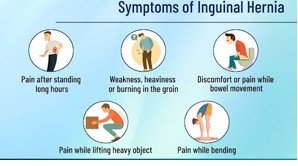
- Groin pain, particularly when lifting, coughing, or exercising.
- A noticeable bulge that may vanish when you lie down.
- Discomfort that increases with activity.[1][2]
- Sudden, severe groin pain (get checked stat—could indicate a complication).
Can Sports Massage Help Inguinal Hernia?
The Claim: Sports Massage Relieves Symptoms
Sports massage cannot repair a hernia or push it back into place – any structural issue needs medical assessment and, where appropriate, surgery. What sports massage may offer is support around the area: easing tension in the surrounding muscles and encouraging better blood flow near the site. Many people find this helps with day-to-day discomfort and supports recovery, particularly following surgery.[1]
As experienced therapist Sarah Macdonald puts it,
Massage therapy will not repair the hernia itself, but working with a trained sports massage therapist may help address muscle imbalance and tension around the area, which some people find supportive for discomfort. Always check with your doctor before starting any massage work in this area.[1]
Which Sports Massage Techniques Work Best?
- Gentle abdominal massage: Boosts blood flow and reduces tightness.
- Myofascial release: Targets the connective tissue nearby for greater mobility.
- Trigger point therapy: Addresses knots in muscles contributing to your discomfort.
Quick caveat: If your hernia is severe, or there’s any risk of strangulation, skip the massage and call your health provider!
Physio—Friend or Foe for Inguinal Hernia?
What Does the Evidence Say?
Physiotherapy’s main goal is to shore up muscles, improve posture, and teach you better movement habits—all vital for both recovering and preventing inguinal hernias[3][4][2][5]. Instead of launching straight into crunches (tempting, but don’t), physiotherapists recommend structured stretching, progressive strengthening, and sometimes electrostimulation.
Core Elements of an Inguinal Hernia Physio Plan
- Breathing and stability drills: Reduce load on the inguinal ligament and surrounding area.
- Gentle core and pelvic exercises: Build strength without undue pressure.
- Analytical stretching (think Yin yoga): Target attachment points to relieve tension.
- Walking and low-impact movement: Keeps everything moving without strain[2][6].
- Pilates-based routines: Especially valuable for linking core, hips, and posture[6].
- Avoid crunches, heavy lifting, and high-impact moves that can worsen symptoms[7].
Rhetorical Interlude: Why gamble your groin’s future on guesswork, when you can have a tailored physio plan?
In a randomized study, patients undergoing active rehab (core stabilization, balancing, progression) showed up to 80% pain reduction and greater return to sport compared to standard treatments, according to physiotherapy researchers[5]. Now that’s one for the stats sheet!
Actionable Takeaways: Your DIY Playbook
So, what can you do—today—to protect your abs and your pride?
- Book a professional assessment: Don’t play doctor with groin lumps.
- Embrace the breath: Use deep, controlled breaths to stabilize the core during lifts.
- Start slow: Gentle stretches, especially hamstrings and groin.
- Build, don’t break: Gradual resistance for abdominals and hips.
- Massage as a complement, not a cure: Consider sports massage for pain management—just don’t expect it to “mend” the hernia itself.
- Rest after heavy exertion: Both athletes and desk-bound folks need downtime.
- Avoid crunches and sit-ups if symptomatic.
Conclusion
Whether you’re blitzing past opponents or wrestling with office chairs, sports massage and physiotherapy deliver proven benefits for managing (but not repairing) inguinal hernias. You’ll still need medical input and, sometimes, a surgeon’s touch—but a proactive approach can keep you in top form, minus the bulge (and the groans). Who knew your core could be your secret weapon?
Book your sports massage session today.
Click to book.
REFERENCE LIST
- Kachingwe AF et al. Proposed algorithm for the management of athletes with athletic pubalgia (sports hernia): a case series. J Orthop Sports Phys Ther. 2008.
- Sheen AJ et al. Contemporary management of ‘Inguinal disruption’ in the sportsman’s groin. BMC Sports Sci Med Rehabil. 2014.
- Caudill P et al. Sports hernias: a systematic literature review. Br J Sports Med. 2008.
- https://mysportsinjury.co.uk/groin-pull-inguinal-hernia-exercise-program-evidence-based-on-rehab-at-my-sports-injury-clinic-in-manchester-city/
- https://pmc.ncbi.nlm.nih.gov/articles/PMC6637051/
- Hernia. NHS.
- Inguinal hernia repair. NHS.